
This familiar one-line riddle creates an impossible picture, then solves it with an everyday meaning hiding in plain sight. The answer is simple, but every word earns its place.
Below is the direct answer, the logic behind both clue halves, the most common wrong turns, and a few ways to hint or retell the puzzle without spoiling its surprise.
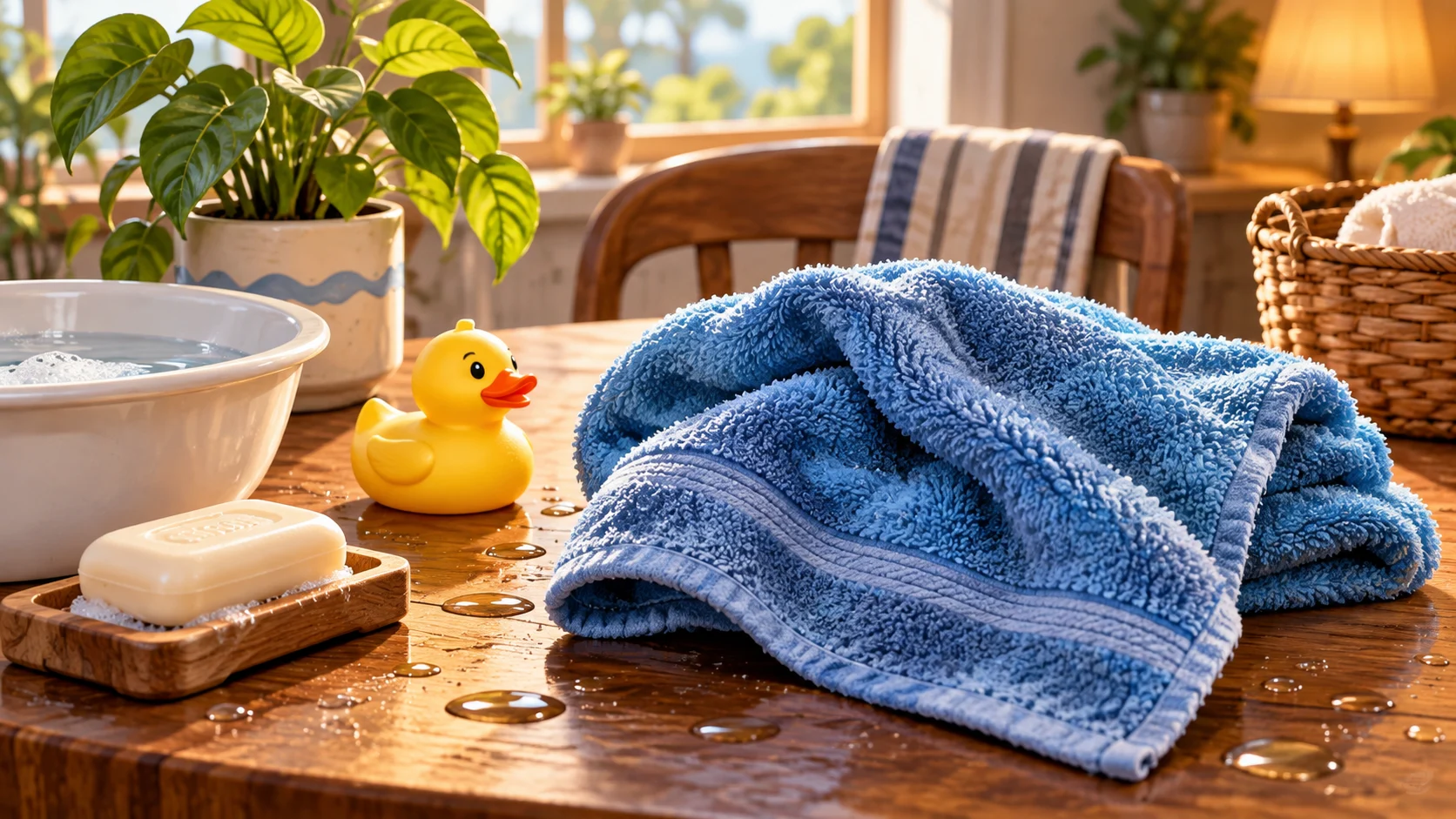
The Riddle
What Gets Wetter the More It Dries?
Answer: A towel.
The classic answer is a towel because it absorbs water from a wet person or surface and it helps that person or surface become dry. Each half of the sentence points to the same ordinary answer, but the wording encourages a more literal first interpretation.
A useful way to approach any compact riddle is to treat it as a tiny contract. The answer must honor every important phrase, not merely resemble the mood of the question. Solvers often stop at the first clue that matches a favorite guess. Checking the remaining words is what separates a plausible association from the intended solution.
The explanation also matters because a reveal without reasoning can feel arbitrary. Here, the reasoning rests on language people already use in ordinary conversation. No trivia lookup is required, and no key detail is hidden outside the sentence. Once the alternate meaning clicks, the clue becomes clearer rather than more complicated, which is the mark of a durable classic riddle.
The Short Answer
The intended answer is a towel. In plain language, it absorbs water from a wet person or surface; at the same time, it helps that person or surface become dry.
That compact overlap is the whole trick. The clue does not require magic, an impossible object, or a rare fact. It asks the listener to notice that one familiar word or phrase is being used in a less obvious but completely normal way.
Why the Answer Is A Towel
The answer fits without a special invented situation. In everyday experience, a towel absorbs water from a wet person or surface. That connection is recognizable enough that a listener can verify it as soon as the solution is revealed.
The second requirement is just as important: a towel helps that person or surface become dry. A satisfying solution must explain both parts at once. If a guess handles only one phrase, it may be creative, but it is weaker than the conventional answer.
How “Gets Wetter” Works
The phrase “gets wetter” is the first anchor. Here it means that the answer absorbs water from a wet person or surface. The riddle relies on the ordinary meaning of the phrase, even though listeners may picture something larger, stranger, or more literal.
Good short riddles often hide their most useful clue in a common expression. Because the wording sounds natural, the brain glides past it. On a second reading, that same phrase becomes precise instructions for finding the answer.

How “Dries” Works
The phrase “dries” supplies the necessary contrast. It tells us that the answer helps that person or surface become dry. Without this half, too many objects or ideas might fit the opening clue.
The contrast also creates the surprise. The two halves sound incompatible if every word keeps its first obvious meaning. Once the key phrase shifts to its intended sense, the contradiction disappears and the sentence becomes a neat description.
Why the Wording Feels Impossible
At first, “gets wetter” and “dries” seem to pull in opposite directions. Most people try to imagine a physical scene that obeys both phrases literally, which makes the puzzle feel impossible.
The escape route is semantic rather than physical. One key word names more than one familiar thing, action, or condition. The riddle quietly switches from the meaning that first enters your mind to the meaning that describes the answer.
What Kind of Riddle Is This?
This is a short lateral-thinking riddle built from wordplay and misdirection. It does not test specialist knowledge. It tests whether the solver can pause, question an automatic interpretation, and search for a second everyday meaning.
It also works as a definition riddle because both clues describe recognizable properties of the answer. The wording is playful, but the logic should still feel fair after the reveal. That balance is why the puzzle is so easy to remember and retell.
Common Wrong Answer: A Sponge
A sponge may come to mind because it has some connection to “gets wetter.” That association explains the guess, but it does not naturally satisfy the full sentence.
A proposed solution should account for “dries” just as cleanly. Requiring both clues prevents the first interesting association from winning too soon and keeps the reasoning focused on the strongest answer.

Common Wrong Answer: Rain
Rain is another understandable guess. It may echo the mood or one literal detail of the wording, yet the explanation usually needs extra assumptions that the riddle never supplies.
By comparison, a towel connects directly to both key phrases through normal language and ordinary experience. Strong riddle answers reduce explanation rather than adding an elaborate story after the fact.
Could Another Answer Fit?
A clever solver can sometimes invent another situation that technically fits. Language is flexible, and almost any short clue can support an unusual edge case. Still, a towel remains the standard answer because both halves describe it directly.
The best test is economy: Which answer makes every important word useful with the fewest added assumptions? The conventional solution wins that test. Alternatives are fun to discuss after the reveal, but they should not replace the clearest fit.
How to Solve This Riddle Step by Step
First, separate the two claims: something must relate naturally to “gets wetter,” and it must also relate naturally to “dries.” Do not force both phrases into the same literal picture yet.
Second, circle words with more than one everyday sense. Third, test familiar objects and ideas against the entire sentence. Finally, prefer the candidate that explains the apparent contradiction in one clean step. That process leads directly to the intended answer.
A Three-Hint Ladder
Hint one: focus on the everyday meaning of “gets wetter,” not the most dramatic image it suggests. Hint two: the answer is familiar and needs no unusual setting.
Hint three: think about something that absorbs water from a wet person or surface. If the solver still needs help, add that it also helps that person or surface become dry. Each hint narrows the field while preserving a chance for the listener to make the final connection.

How to Tell the Riddle Well
Read the question once at a natural pace, then pause. Avoid stressing the trick word, using gestures that reveal the object, or adding examples before listeners have had time to explore the wording.
If nobody solves it, repeat the exact line and offer the first hint only. When you reveal “a towel,” explain both clue halves in one sentence. A quick explanation produces a better aha moment than a long victory speech.
An Easier Version for Kids
For younger solvers, try: “I am connected to gets wetter, and I also relate to dries. What am I?” This version signals that the key phrases may not be literal.
Let children name several possibilities before adding a hint. Praise a guess that fits one half, then ask how it handles the other half. That turns the riddle into a small reasoning exercise instead of a pass-or-fail question.
A Harder Version
For a tougher version, remove the most familiar wording: “I make sense of two opposites. I absorbs water from a wet person or surface, yet I helps that person or surface become dry. What am I?” The answer remains the same, but the solver loses the memorized rhythm of the classic line.
You can also reveal the riddle in writing without punctuation cues or require players to justify a guess before it counts. Difficulty should come from interpreting the clues, not from hiding essential information.
Related Riddle Patterns
Many classic riddles use the same structure: an object appears to possess a human body part, perform an impossible action, or occupy two opposite states. The solution reinterprets one word as a label, sound, idiom, or metaphor.
When you meet that pattern, ask whether a body-part word names a feature of an object, whether an action word belongs to an idiom, or whether a location is metaphorical. Recognizing the family resemblance makes future one-line riddles easier to solve.
The Answer in One Sentence
A towel is the answer because it absorbs water from a wet person or surface while it helps that person or surface become dry.
That sentence is enough to verify the solution. It accounts for both halves, uses ordinary meanings, and does not depend on hidden facts. The longer discussion simply shows why the misdirection works so reliably.
Final Explanation
The riddle succeeds because “gets wetter” first suggests one mental picture while “dries” seems to contradict it. The answer, a towel, replaces that first picture with a familiar alternative meaning and makes both statements true.
Remember the solving habit behind the joke: when two clues seem impossible together, do not discard the sentence. Reconsider the flexible words. A small change in interpretation can turn a contradiction into a precise, satisfying answer.

As owner of Fun Riddles, Ellie curates and tests the web’s most accessible riddles, brain teasers, and lateral-thinking puzzles, organized by difficulty with hints and answers educators can trust.